The Crossing
Welcome to taabir's homebase.

From one world to the next

We are excited to finally launch The Crossing, a place where we will be sharing our learnings from the LIFT Economy MBA, as well as our experiences in crafting a self-directed nonprofit organization: TAABIR, a post-capitalistic vision for Dallas, Texas, Wichita Land, Old Mexico, built by Black and Brown people, by poor white folks, by migrants and by one-too-many corporate sponsors.
TAABIR is building an ecosystem for the people of Dallas. It acts as 1) a resource center for vocational training, cooperative business, and the solidarity economy, 2) a co-working space for member organizations and businesses, and 3) a community space for those in need.
Interested in learning more? Email us at taabirusa@gmail.com or DM us here on substack.
Yeah, it’s not easy.
But with the right team (and budget), anything is possible— even bringing the solidarity economy to the suburban chokehold of Dallas, Texas! More than that, we hope to re-invigorate the community-based economy that raised us here in Dallas.
We envision more for Dallas. Here is our effort in creating the world we wish to see.
NOTE: the first three articles in our blog were written by a guest writer from the Origin of Matter, the original home. We moved!
Digging deep
Today, we begin a new journey into the grounding into the post-capitalistic economy.
Today, all members of our collective begin the LIFT Economy MBA program:
The Next Economy MBA is a nine month learning experience for entrepreneurs and aspiring entrepreneurs who want to learn key business fundamentals (e.g., vision, culture, strategy, and operations) from an equitable, inclusive, and regenerative perspective.
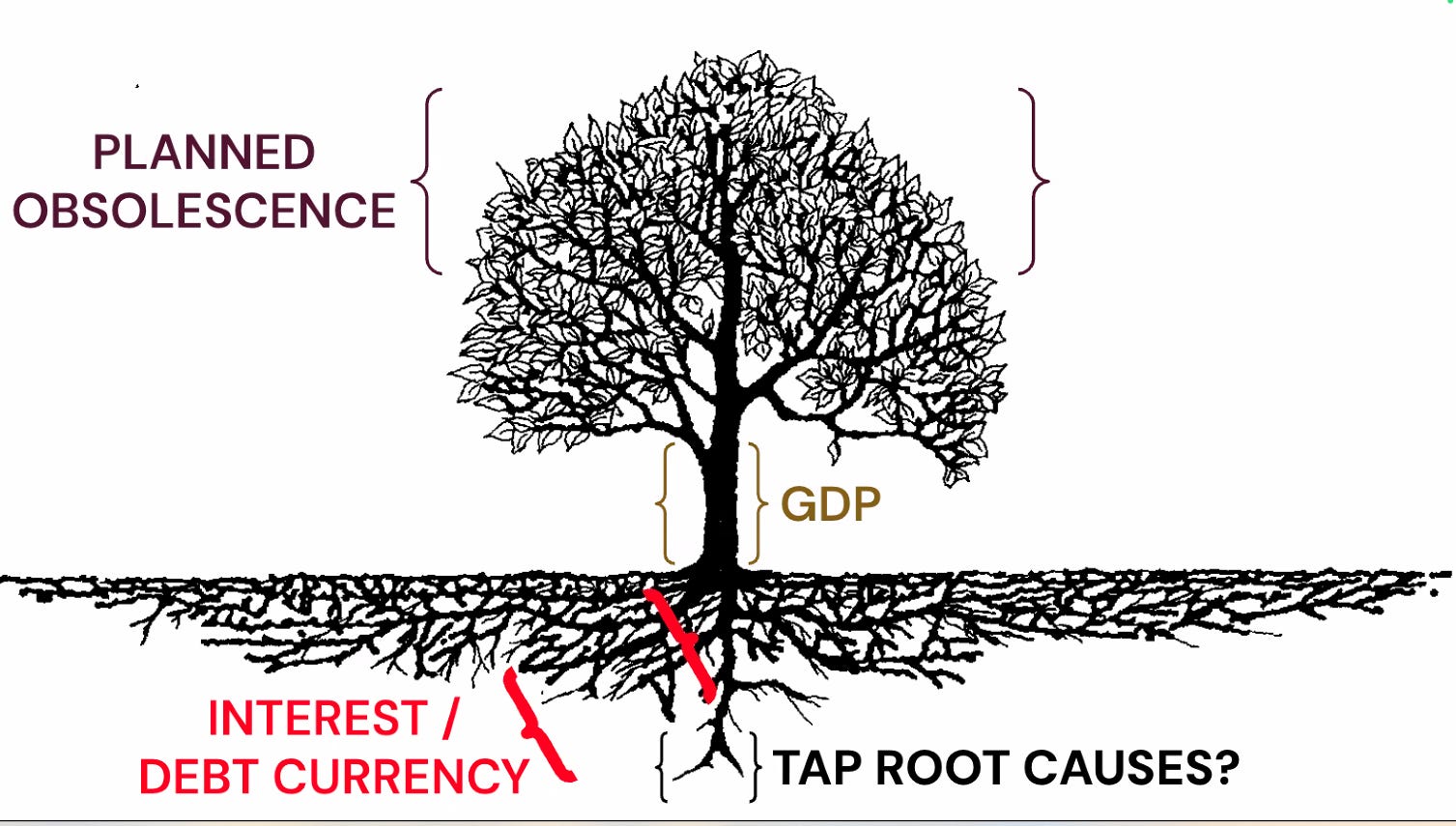
We won’t get MBA certification, because duh, the current MBA curriculum depends on an extractive economic model, which we are committed to destroying.
So, the purpose goes beyond professional development, as it should. We are dedicated to eradicating this disease of capitalism and developing medicines that target the root of the problems.
Does “nature” include humans?
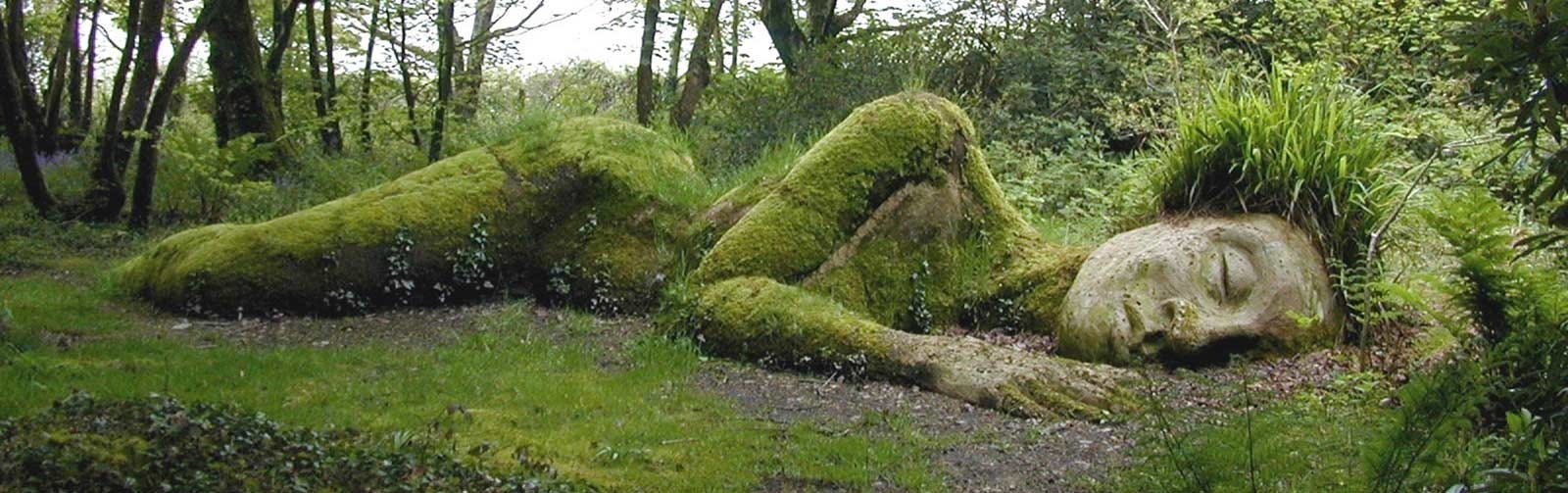
One of the fundamental tenants of the post-capitalistic movement is our connection to the natural world. We know that humans are happier, and overall outcomes for quality of life are improved when we maintain this bond. This bond requires some reflection:
We must hold accountability for our actions and those of our ancestors and societies, and work every day through personal daily action and collective advocacy against companies benefiting off of the murder and destruction of our home.
At the same time, in this post-capitalistic fight for humanity to “do better,” I wonder if we have a tendency to separate ourselves from our connection to nature; that we must conserve, fix, resolve each problem we face as Nature.
However, we cannot assume a position of superiority over the non-human world, that we know what is best for it. Because as a friend recently reminded me: we are nature. And we must constantly be seeking inward and attempting to listen to and learn from non-human experiences.
With that being said, let us now turn into some animals.
Bees

I imagine us as bees pollinating the flowers that produce the honey that will feed all people and allow all to experience spiritual and emotional alignment with ourselves and each other.
Spiders

Or, you can imagine us as spiders. Some build webs, some build sacs. The web ones are the goodie kids who know about metrics and alternatives to the GDP. The sac ones are on the prowl, not really interested in building webs but instead move as predators and prey, fighters and workers, anarchists who scheme through the night to prepare to rest and enjoy life during the day.
On another note, spiders are often considered bioindicators because their presence and diversity reflect the health of an ecosystem. A healthy population of yellow sac spiders can indicate a balanced environment free from excessive pollution and pesticides. Yay.
We are nature, and now we evolve.
I’m sure there are more. I’m sure there are more animals and fungi and rocks I could compare myself to. Don’t get me started on the dynamism in the living bodies that modern science identifies as “dead”).
As long as we are nature, we must be willing and able to evolve. We will later do a deep-dive on Darwinism (stay tuned), but for now, I think both post-modern and traditional scientists can agree that species change over time, either in lines, cycles, curves, or spirals.

We must evolve from the globalization and spread of this capitalistic, mass-producing, and rapidly consuming system that has maintained the following conditions specifically affecting our conditions as human beings (these do not include impacts on non-human natural world):
Despite gains since 2015, 1 in 4 – or 2.1 billion people globally – still lack access to safely managed drinking water*, including 106 million who drink directly from untreated surface sources.
3.4 billion people still lack safely managed sanitation, including 354 million who practice open defecation.
1.7 billion people still lack basic hygiene services at home, including 611 million without access to any facilities.
People in least developed countries are more than twice as likely as people in other countries to lack basic drinking water and sanitation services, and more than three times as likely to lack basic hygiene.
In fragile contexts**, safely managed drinking water coverage is 38 percentage points lower than in other countries, highlighting stark inequalities.
While there have been improvements for people living in rural areas, they still lag behind. Safely managed drinking water coverage rose from 50 per cent to 60 per cent between 2015 and 2024, and basic hygiene coverage from 52 per cent to 71 per cent. In contrast, drinking water and hygiene coverage in urban areas has stagnated.
Data from 70 countries show that while most women and adolescent girls have menstrual materials and a private place to change, many lack sufficient materials to change as often as needed.
Adolescent girls aged 15–19 are less likely than adult women to participate in activities during menstruation, such as school, work and social pastimes.
In most countries with available data, women and girls are primarily responsible for water collection, with many in sub-Saharan Africa and Central and Southern Asia spending more than 30 minutes per day collecting water.
As someone who has witnessed this reality through stories about my own parents, as well as living in these types of communities, I am very much ready to become a worker-bee or yellow-sac spider in my desire for something better. Let’s just hope it doesn’t recreate capitalism or make it worse.

Game over (begins)
In the program I mentioned above, we will be diving deep into core principles of the current economy, and alternatives to them that can help people exchange goods and services without making the world a worse place. Including:
1. Need-oriented, basic goods and services
2. Diverse, equitable, and inclusive ownership
3. Equitable and democratic culture
4. Support of local economy ecosystem
5. Education embedded into the good or service
6. Open source and regionally replicable
7. Transparent
8. Regenerative operations
9. Supports movement building for broader systems change
Supports personal growth and development
signed,
OM; Taabir USA

Endnotes

References
https://www.lenalingua.com/post/the-lenape-s-sustainable-practices-and-their-relevance-today
https://link.springer.com/article/10.1007/s10902-019-00118-6
https://wearenature.org/
https://www.science.org/doi/10.1126/science.adi9606
https://www.who.int/news/item/26-08-2025-1-in-4-people-globally-still-lack-access-to-safe-drinking-water---who--unicef
https://www.sciencealert.com/does-nature-include-humans-the-answer-may-surprise-you
https://www.planetnatural.com/sac-spider/
TAABIR is building an ecosystem for the people of Dallas. It acts as 1) a resource center for vocational training, cooperative business, and the solidarity economy, 2) a co-working space for member organizations and businesses, and 3) a community space for those in need.
Interested in learning more? Email us at taabirusa@gmail.com or DM us here on substack.