On Life Design
Notes from the NextMBA, part 3: knowing who you are

Today, I think there is no retirement. For many people working, there will be no pension and no multimillion-dollar 401k and likely no Social Security. There is no follow the right path by working at any cost and be rewarded in 50 years for being docile through the process.
We are told to diligently save into 401ks and IRAs that represent $44 trillion in our economy. But much of that capital is invested into prescribed portfolios that undermine a livable future: war, surveillance, extractive industries that break the systems we will need as we age such as healthcare, food, and transit.
The LIFT Economy MBA’s sixth course talks about Personal Life Design. Where we put our money can reflect our values, but only if we understand the choices we can make.
The money we invest into retirement is not out of our control. The choices we make as consumers are not out of our control. And the ways we find security are not out of our control.
Start Here
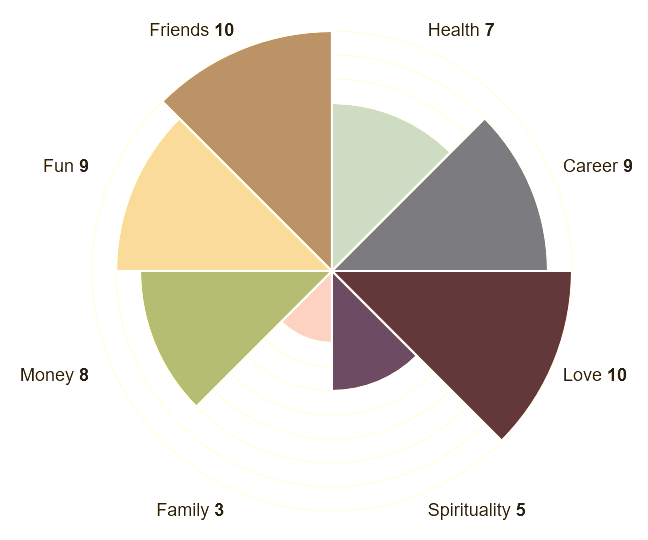
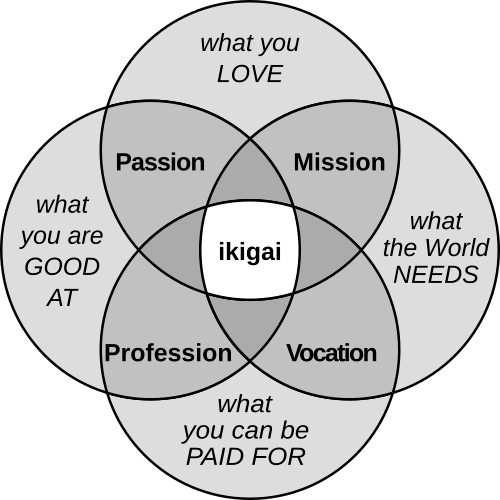
The course introduced a couple frameworks: the life wheel, Ikigai’s overlapping circles of meaning and skill and need and vocation. These are useful starting structures. But the point that the facilitators keep returning to is that only you can be who you are. There may be no set of shapes for that.

The journal prompt for this session is another potent jumping off point: What is different in the world because I have lived my purpose?
I thought that was a great framing. What is life design but the fulfillment of purpose, of mattering, of self-love?
The Hierarchy of Consumption
In the course, we explored a “Hierarchy of Consumption,” not a strict set of rules but a set of questions to ask before purchasing something new.
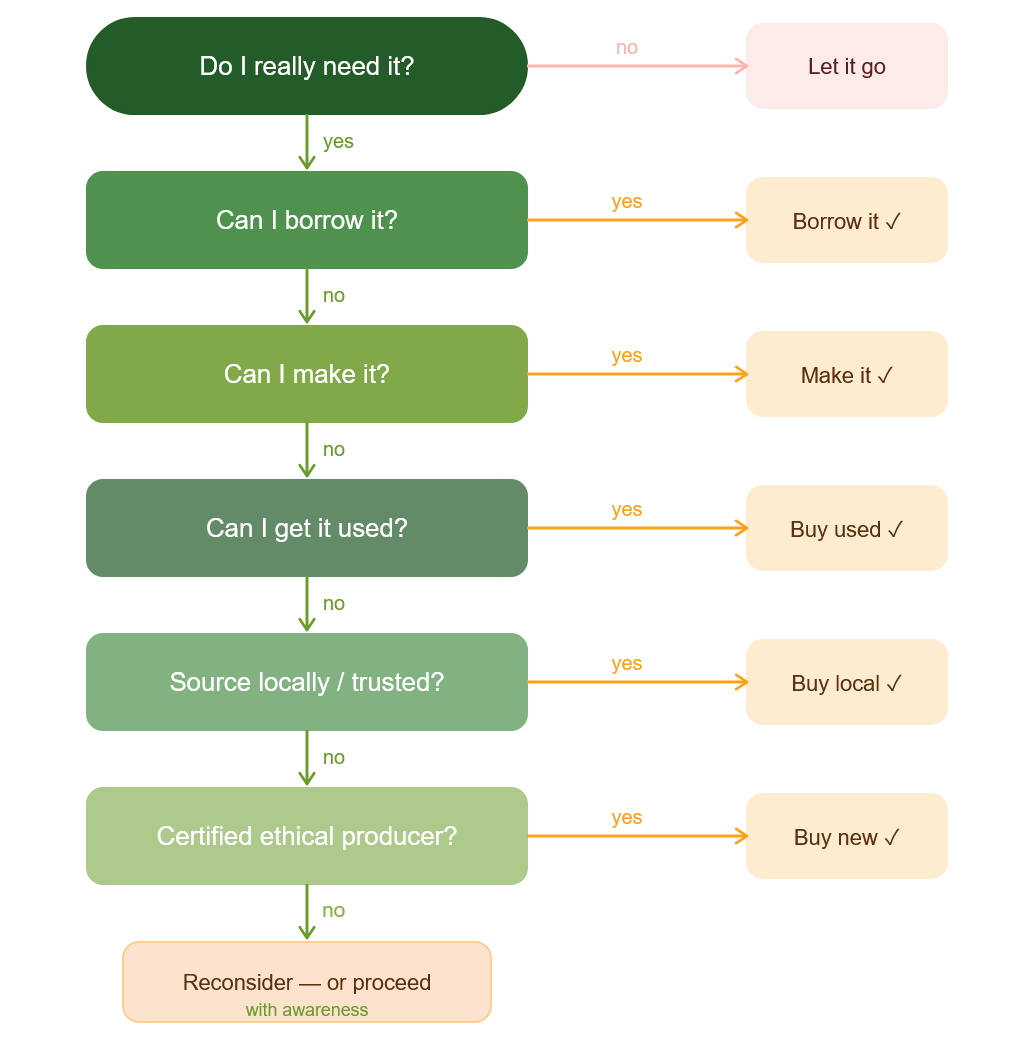
The hierarchy is useful. It makes you challenge manufactured demand and support regenerative practices. But the hierarchy assumes you have the luxury of preferences to begin with.
The Hierarchy of Agency
There’s a tension inherent to the Hierarchy of Consumption’s principle of trying to go without.
For much of my life, simplicity was not a choice. If you don’t have a lot of power to make your own decisions, whether due to low income, household norms, abuse or other circumstances, it is rational to not develop preferences. If you can’t have something anyway, wanting it only creates pain.
You don’t eat what you like but what you can get. You ride the bus and transfer a few times and get to work late. You stretch and forego hygiene products past the point of hygiene. Your wants are extravagances.
This is a form of self-erasure. When we eliminate our preferences to save money, we are slowly eroding our ability to know who we are.
Life design, I am learning, requires the opposite.
Every person deserves to have preferences and to be able to express them. Not because preferences are always satisfiable, but because they’re how you know who you are. And knowing who you are is what makes life design something other than filling out a worksheet. It’s what makes your 401k investment choices, or your cooperative membership, or your decision about where to put your time and energy, an expression of your values.
Your Mask First
One of the most grounding moments in this session came from a breakout session share by a student named Vanessa, who works primarily with Black women in her community. She said:
“While the system is not perfect, the tools that are available to help us to be secure in this damaged system are there and might allow you to ... leave at 56 and then really work on moving and helping the system to move further into the way that it needs to be. It’s almost like putting your mask on first on the airplane. It’s really important that we have a mask on.”
To live a life helping others requires an abundant mindset, being able to say, “I have enough to contribute, I have enough to rest, and I am capable of self-regeneration.” Giving comes from a sense of wholeness, and you must do what you can to get to that personal wholeness.
Agricultural Time
The session included several case stories that share a quality of patience that doesn’t fit into quarterly returns or five-year plans:
Winona LaDuke spent 30+ years building an Indigenous-led hemp and land economy, founding WELRP to buy back Anishinaabe ancestral lands.
White Earth Land Recovery Project in White Earth, MN
"I feel that hemp can help undo the mess we have made, but we have to approach it right. We will get nowhere if we continue with the same aggressive industrial behavior."
Leah Penniman co-founded Soul Fire Farm to end racism in the food system, training 1,000+ BIPOC farmers annually in ancestral land stewardship.
"Stewarding our own land, growing our own food, educating our own youth, participating in our own healthcare and justice systems — this is the source of real power and dignity."
Peace Pilgrim walked 25,000 miles with nothing in her pockets, a message of radical simplicity.
28 years walking with no fixed home
“I have found that the more I give away, the more I have.”
They operate on something like agricultural time: the pace of something planted, tended, and harvested across seasons you can’t always predict.
This is different from geological time, which is transformation so slow it exceeds a human life. Agricultural time is human. It requires that you show up regularly, that you adjust to conditions, that you wait without certainty but you know you will see if something will grow.
Stay Here
Sharing is the most potent investment in community that this course points toward. A lending library. An open-source curriculum. A physical space where people can feel like they are home. Teaching as a form of giving. Making things easier for more people to enter and care about a practice.
The Next Economy being built here with cooperatives, lending libraries, time banks, community-owned solar, bioregional food systems, community spaces like Taabir, runs on agricultural time. It does not happen immediately. It requires us to wait, and to stay.
And none of it works if we don’t first know why we’re here, what we actually want, and what it would mean for the world to be different because we lived into that. Be willing to be yourself, and be willing to matter.